
A metal roof system assembly offers significant advantages for homeowners, including longevity and energy efficiency. However, the success of your investment hinges on selecting a qualified and experienced metal roofing provider. This guide will help you navigate the process of choosing a company that can deliver a high-quality metal roof tailored to your needs.
Key points
- Prioritize providers with strong residential metal fabrication expertise for custom fits.
- Verify a contractor’s experience and check references for similar metal roof system assembly projects.
- Understand the different metal roof profiles and materials available.
- Thoroughly review quotes and contracts, ensuring all details are clearly specified.
- Inquire about both manufacturer and workmanship warranties for comprehensive protection.
Understanding Metal Roof Profiles and Materials
Metal roofing comes in a variety of profiles and materials, each with unique properties. Common materials include steel (galvanized, galvalume), aluminum, copper, and zinc. Steel is popular for its strength and cost-effectiveness, while aluminum is lighter and resistant to corrosion. Copper and zinc offer exceptional durability and a distinctive aesthetic but come at a higher price point. The chosen profile – such as standing seam, corrugated, or metal shingles – impacts both the appearance and the structural integrity of the roof. Standing seam panels are known for their clean lines and excellent water-shedding capabilities, making them a top choice for many residential metal fabrication projects. Understanding these options is the first step in communicating your needs effectively to a potential provider.
The Importance of Fabrication Expertise
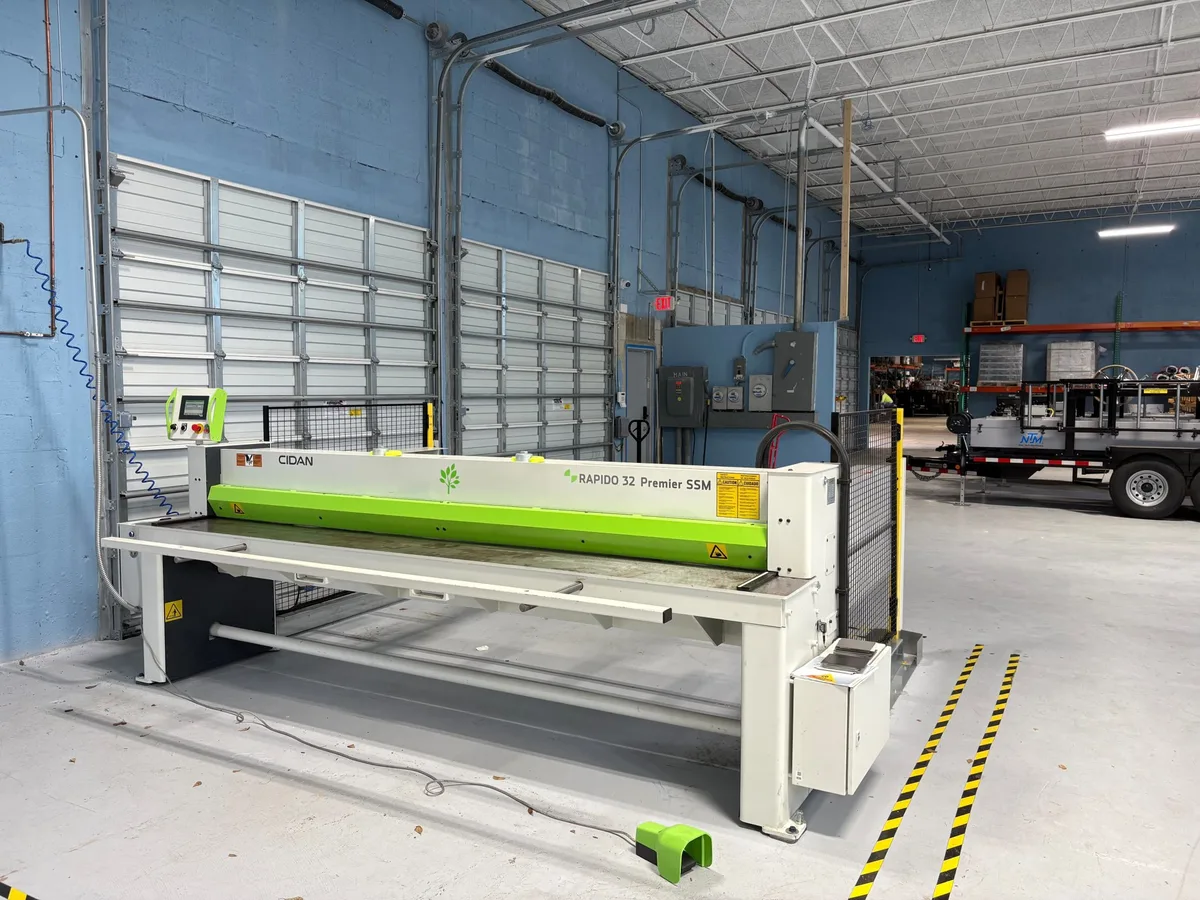
Residential metal fabrication is a specialized skill. A provider with in-house fabrication capabilities can often offer greater precision and customization. This means that the metal roof panels and components are manufactured specifically for your home’s dimensions and unique architectural features. This level of custom work ensures a perfect fit, minimizing potential issues during installation and enhancing the overall performance of the metal roof system. When evaluating providers, inquire about their fabrication process. Do they have experienced fabricators on staff? What kind of equipment do they use? Strong fabrication expertise translates directly into a superior finished product.
Evaluating Experience and Credentials
When seeking a metal roofing contractor, look for professionals with a proven track record in installing metal roof systems. Ask for references from previous clients, especially those with projects similar to yours. A reputable provider will be transparent about their experience and happy to share examples of their work. Beyond references, consider their understanding of local building codes and weather conditions. A contractor familiar with your area can recommend the most suitable metal roof profiles and materials to withstand local challenges, whether it’s heavy snow, high winds, or intense sun. Some providers may also offer specialized services, such as custom flashing or unique architectural details, which can add significant value.
Installation and Warranty Considerations
The installation process is as critical as the materials themselves. A poorly installed metal roof can lead to leaks, damage, and premature failure, regardless of the quality of the metal. Ensure the provider employs skilled installers experienced with the specific metal roof profiles you are considering. Discuss the installation timeline and what to expect during the process. Furthermore, understand the warranties offered. This typically includes a manufacturer’s warranty on the metal materials themselves and a contractor’s warranty on the workmanship. A comprehensive warranty provides peace of mind and protects your investment against potential defects.
Getting Accurate Quotes and Contracts
Once you have identified potential providers, obtain detailed written quotes. A thorough quote should break down the costs for materials, labor, fabrication, and any additional services. Be wary of unusually low bids, as they may indicate cutting corners on quality or scope of work. Review the contract carefully before signing. It should clearly outline the project scope, materials to be used, payment schedule, warranty information, and the expected completion date. Ensure all verbal agreements are documented in the contract. A clear and comprehensive contract protects both you and the provider, ensuring a smooth and predictable project.
Common questions
What are the main benefits of metal roofing?
Metal roofing offers exceptional durability, a long lifespan, and can be highly energy-efficient, potentially reducing cooling costs. It is also resistant to fire, rot, and insect damage.
How long does a metal roof typically last?
With proper installation and maintenance, a metal roof can last for 40 to 70 years or even longer, significantly outperforming traditional roofing materials.
Is metal roofing more expensive than other options?
While the initial cost of metal roofing can be higher than asphalt shingles, its extended lifespan, low maintenance requirements, and potential energy savings often make it more cost-effective over the life of the roof.
What is the difference between residential metal fabrication and standard metal roofing installation?
Residential metal fabrication refers to the custom creation of metal roofing components to precisely fit a specific home’s design and dimensions, often involving specialized equipment and skilled craftspeople. Standard installation focuses on assembling pre-fabricated components.
