
Metal roofing has become a popular choice for homeowners seeking durability and longevity. Beyond its aesthetic appeal, a metal roof offers significant advantages in terms of protection and energy efficiency. This guide delves into what installing and maintaining a metal roof truly involves, from the fabrication process to the final assembly.
Key points
- Residential metal fabrication is the process of creating custom metal roof panels and components.
- Metal roof system assembly requires precise installation of panels, underlayment, and flashing.
- Various metal roof profiles, such as standing seam and corrugated, offer different aesthetics.
- Metal roofing provides long-term durability, weather resistance, and energy efficiency benefits.
The Process of Residential Metal Fabrication
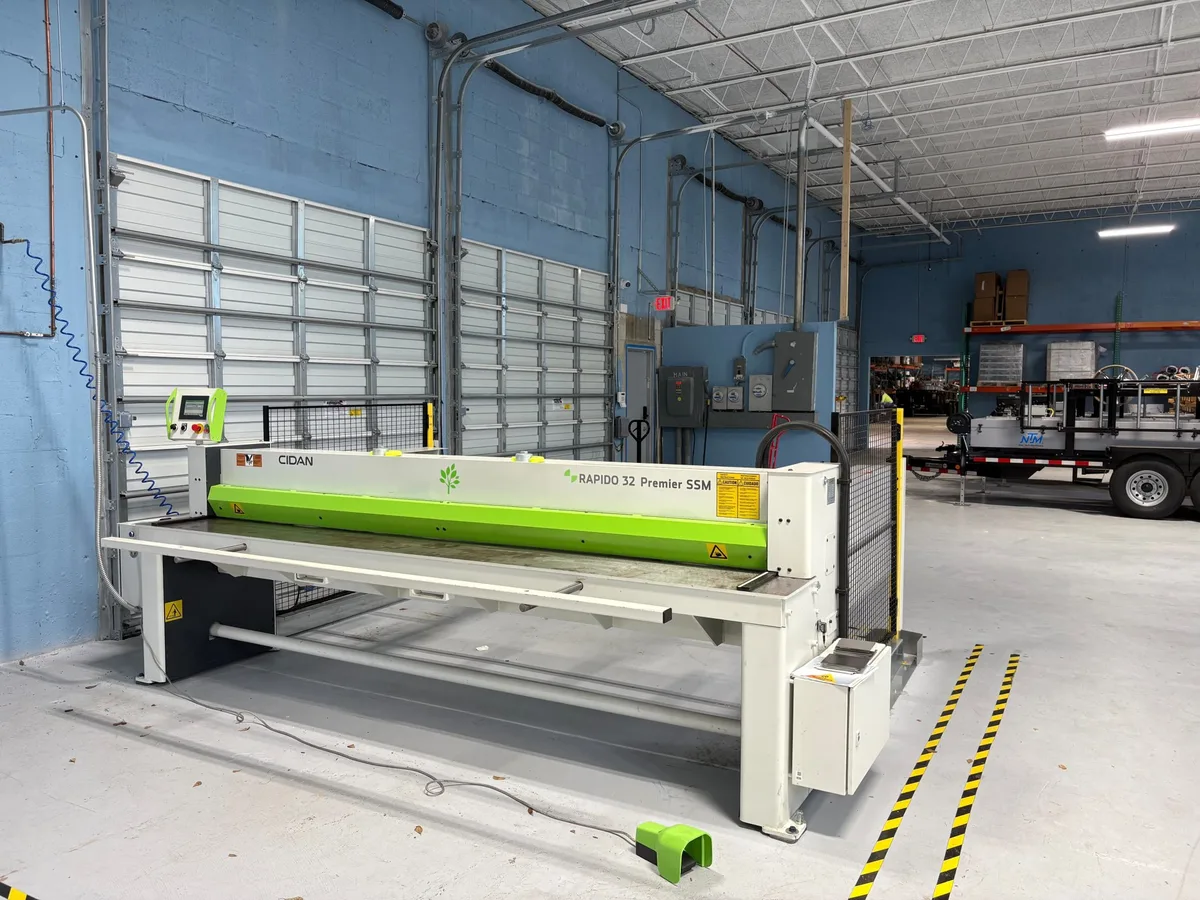
Residential metal fabrication for roofing typically begins with raw materials, most commonly steel or aluminum. These metals are chosen for their strength, corrosion resistance, and recyclability. The fabrication process involves shaping these flat sheets into specific metal roof profiles. This can be done through processes like roll forming, where metal is passed through a series of rollers to achieve the desired shape and corrugation. Other methods include standing seam panels, which are formed with vertical seams that interlock, creating a highly weather-tight seal. The precision required in fabrication ensures that each panel fits seamlessly with others, contributing to the overall integrity of the metal roof system. Customization is also a key aspect, allowing for unique designs and fits for complex roof structures. This attention to detail in the initial fabrication stage is crucial for the performance and lifespan of the final installation.
Metal Roof System Assembly: From Panels to Protection
Assembling a metal roof system is a multi-step process that demands skilled labor. It begins with the underlayment, a protective layer installed over the roof deck to provide an additional barrier against moisture and wind. This is followed by the installation of the chosen metal roof profiles. For standing seam metal roofs, panels are typically fastened with concealed clips that allow for expansion and contraction due to temperature changes, preventing stress on the fasteners. Exposed fastener systems, often used for corrugated or ribbed panels, utilize screws with rubber washers that seal the penetration points. Proper overlap and sealing of seams are critical to prevent leaks. Flashing, custom-fabricated pieces of metal, are installed around chimneys, vents, skylights, and valleys to direct water away from vulnerable areas. The final assembly ensures a robust, weather-resistant barrier that protects the home from the elements for decades.
Understanding Different Metal Roof Profiles
The variety of metal roof profiles available allows homeowners to achieve different aesthetic looks while benefiting from the inherent advantages of metal. Standing seam panels are a prevalent choice, characterized by their clean lines and raised vertical seams. These offer a modern, sleek appearance. Corrugated panels provide a more traditional, industrial look, often used on agricultural or commercial buildings but also popular for residential applications seeking a rustic charm. Ribbed panels are similar to corrugated but may feature fewer, wider ribs. Shingles or shakes made from metal offer the appearance of traditional roofing materials like asphalt shingles or wood shakes, but with the durability of metal. Each profile has specific installation requirements and affects the overall visual appeal and performance of the metal roof system.
Benefits of a Metal Roof System
Choosing a metal roof system offers numerous advantages over conventional roofing materials. Durability is a primary benefit; metal roofs can last 40-70 years or even longer with proper maintenance, significantly outperforming asphalt shingles. They are highly resistant to extreme weather conditions, including high winds, heavy rain, hail, and snow. Many metal roofs are also fire-resistant, offering an added layer of safety. Energy efficiency is another key advantage. Lighter-colored metal roofs can reflect solar radiant heat, reducing cooling costs in the summer. Metal is also a sustainable choice, as many metal roofing products are made from recycled content and are fully recyclable at the end of their lifespan. Furthermore, metal roofs are low maintenance, requiring only occasional checks for debris or loose fasteners.
Common questions
What is involved in residential metal fabrication for roofs?
Residential metal fabrication involves shaping raw metal sheets, such as steel or aluminum, into specific metal roof panels and components according to chosen profiles, ensuring precise fits for a durable metal roof system.
How is a metal roof system assembled?
Metal roof system assembly includes installing underlayment, fastening chosen metal roof profiles with appropriate clips or screws, sealing seams, and installing flashing around vulnerable areas to create a watertight barrier.
What are the advantages of metal roofing?
Advantages of metal roofing include exceptional durability and longevity, resistance to extreme weather and fire, improved energy efficiency through heat reflection, and environmental benefits like recycled content and recyclability.
Are there different metal roof profiles available?
Yes, various metal roof profiles exist, including standing seam panels for a modern look, corrugated or ribbed panels for a more traditional or rustic appearance, and metal shingles or shakes that mimic conventional materials.
