
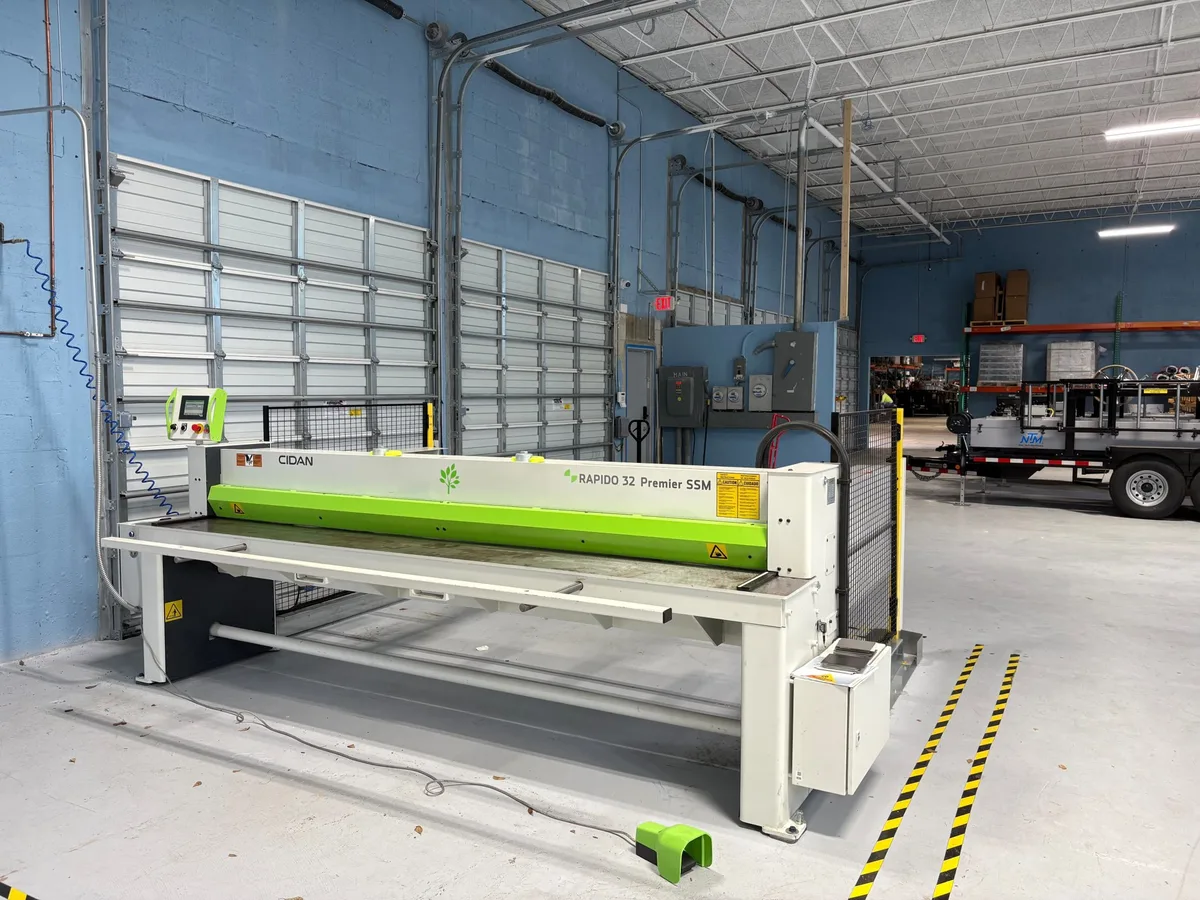
Investing in a metal roof system is a significant decision for homeowners. While known for their durability and longevity, the initial cost can vary considerably. Understanding the elements that contribute to the overall price will help you budget effectively and select the best option for your needs.
Key points
- Metal roofing costs are influenced by the choice of metal material, with steel being more economical and copper/zinc being premium options.
- The specific metal roof profiles and the complexity of the roof design significantly impact material and labor expenses.
- Skilled installation labor is a major cost factor, with more complex jobs requiring more time and expertise.
- Additional components like underlayment, coatings, and warranty terms also contribute to the total investment in a metal roof system.
Material Choices and Their Impact on Cost
The type of metal used for your roofing is a primary cost driver. Steel, aluminum, zinc, and copper each offer different price points and performance characteristics. Steel, often galvanized or Galvalume-coated for corrosion resistance, is generally one of the more economical choices. Aluminum is lighter and highly resistant to rust but can be more expensive than steel. Zinc and copper are premium materials, offering exceptional longevity and a unique aesthetic, but they come with a significantly higher price tag. The gauge or thickness of the metal also plays a role; thicker materials are more robust and typically cost more.
Metal Roof Profiles and Complexity
The design and complexity of the metal roof profiles you choose will influence the final cost. Standing seam panels, a popular choice for their clean lines and excellent weather resistance, often require more intricate fabrication and installation compared to corrugated panels. Different profiles have varying seam heights, panel widths, and interlocking mechanisms, all of which can affect material usage and labor time. Steeper pitches, numerous valleys, dormers, and skylights add complexity to the metal roof system assembly, requiring more custom cuts and specialized attention, thus increasing labor costs.
Labor and Installation Expenses
Installation labor is a substantial component of the total metal roofing cost. The skill and experience of the contractor performing the residential metal fabrication and installation are crucial. Factors influencing labor costs include the size and pitch of the roof, the complexity of the roofline, and the type of metal roofing system being installed. Removing an old roof, preparing the substrate, and ensuring proper flashing and sealing around penetrations all require time and expertise. Experienced installers who specialize in metal roofing may charge more, but their proficiency can lead to a more durable and watertight installation.
Additional Considerations: Underlayment, Coatings, and Warranties
Beyond the primary roofing materials, other elements contribute to the overall investment. High-quality underlayment is essential for moisture protection and can add to the cost. Some metal roofing systems come with specialized coatings to enhance UV resistance, reduce heat absorption (cool roofing), or provide specific aesthetic finishes, which will also factor into the price. Finally, consider the warranty offered by the manufacturer and installer. Longer and more comprehensive warranties, especially those covering both material defects and labor, often indicate a higher-quality product and installation and may be reflected in the initial cost.
Common questions
What is the average cost of a metal roof?
The average cost of a metal roof can vary widely, generally ranging from $9 to $15 per square foot, but can go higher for premium materials and complex installations.
Is metal roofing more expensive than asphalt shingles?
Yes, metal roofing typically has a higher upfront cost compared to traditional asphalt shingles, but it offers greater longevity and lower lifetime costs.
Does the complexity of my roof affect the cost?
Absolutely. Roofs with multiple angles, dormers, valleys, and skylights require more intricate work and custom fabrication, which increases installation time and labor costs.
Are there different types of metal roofing materials, and do they vary in price?
Yes, there are various metal roofing materials, including steel, aluminum, zinc, and copper, each with its own price point, durability, and aesthetic qualities. Steel is often the most budget-friendly, while copper and zinc are the most expensive.
